
Last updated November 21, 2026
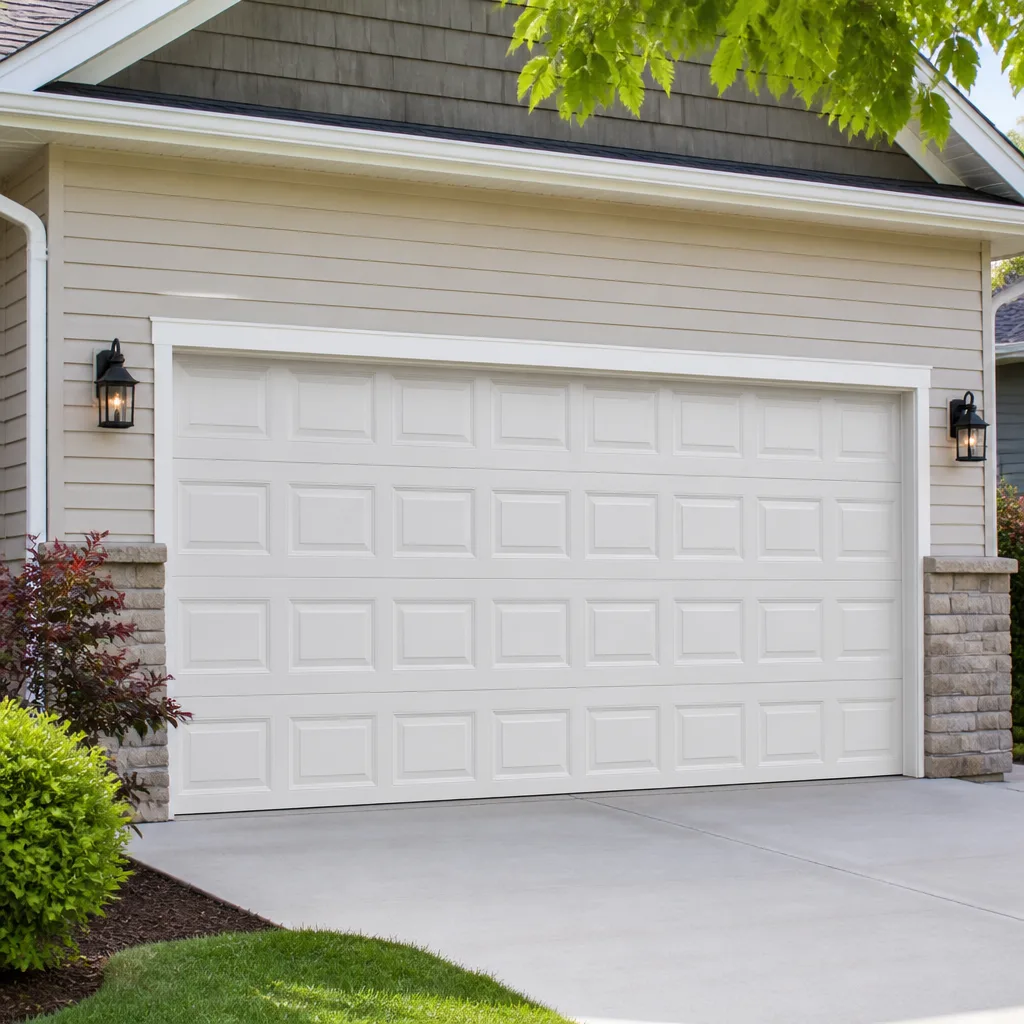 Raised-panel steel
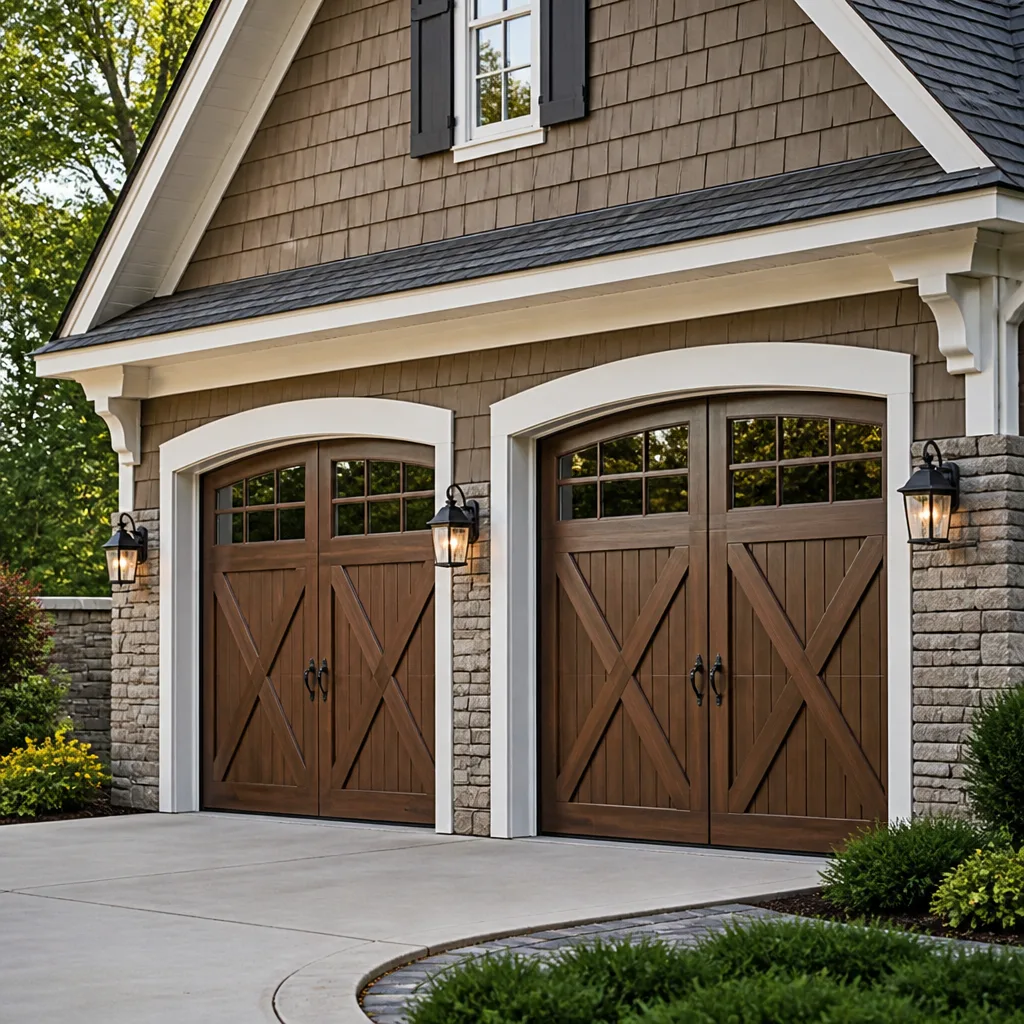 Carriage house
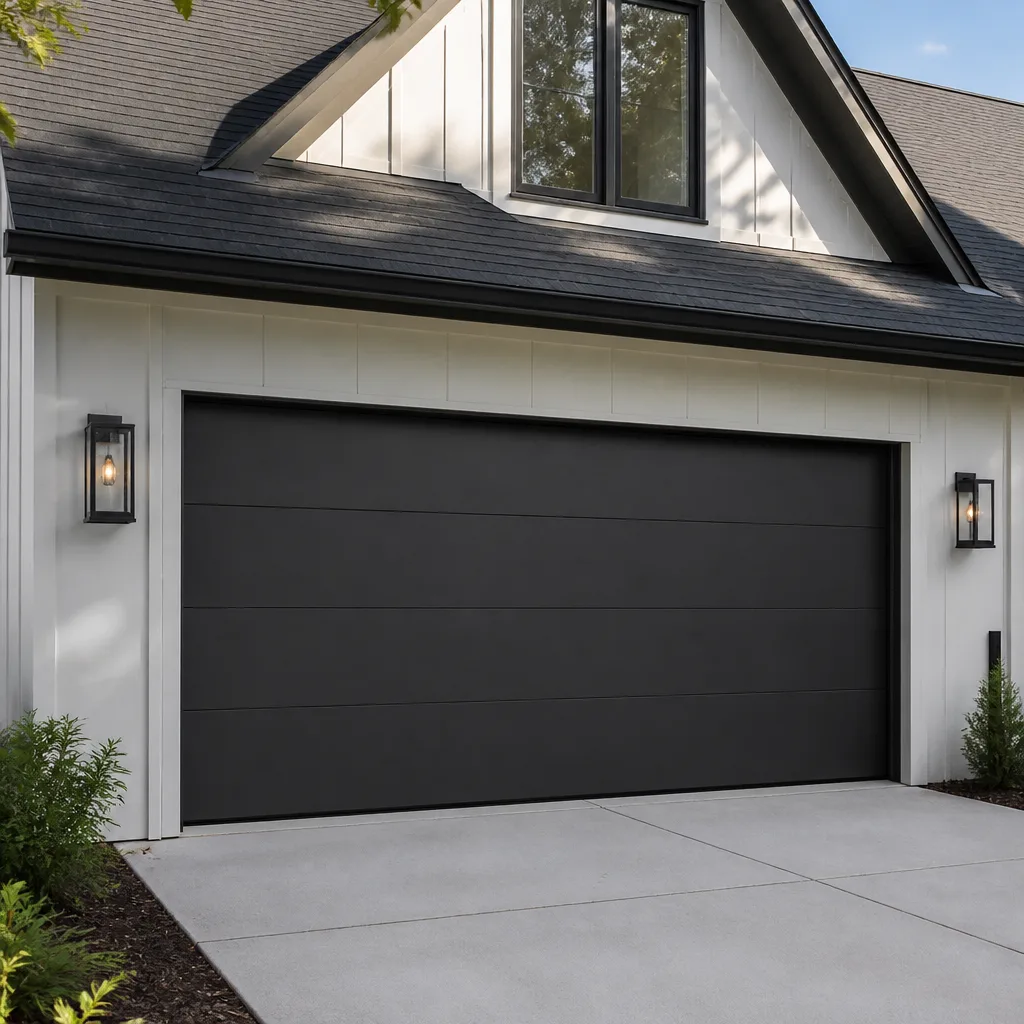 Modern flush
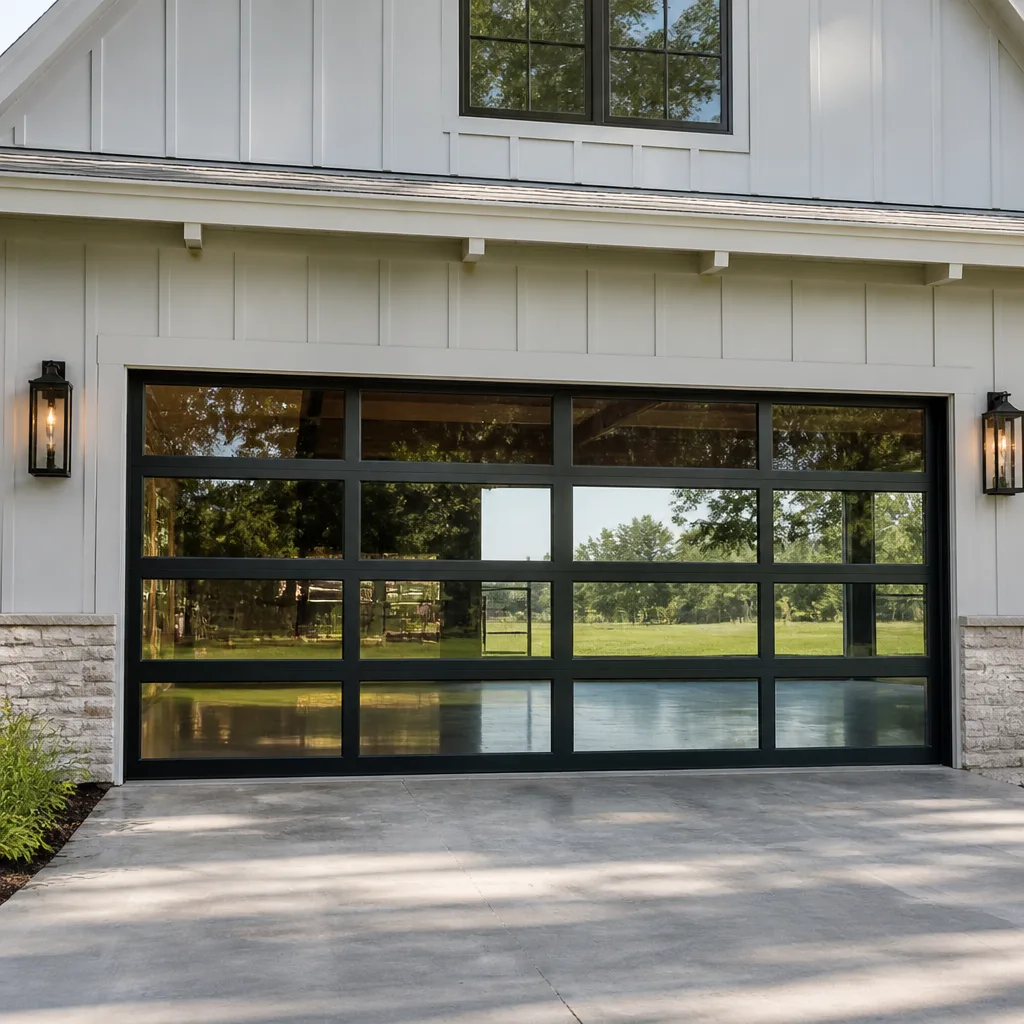 Full-view glass
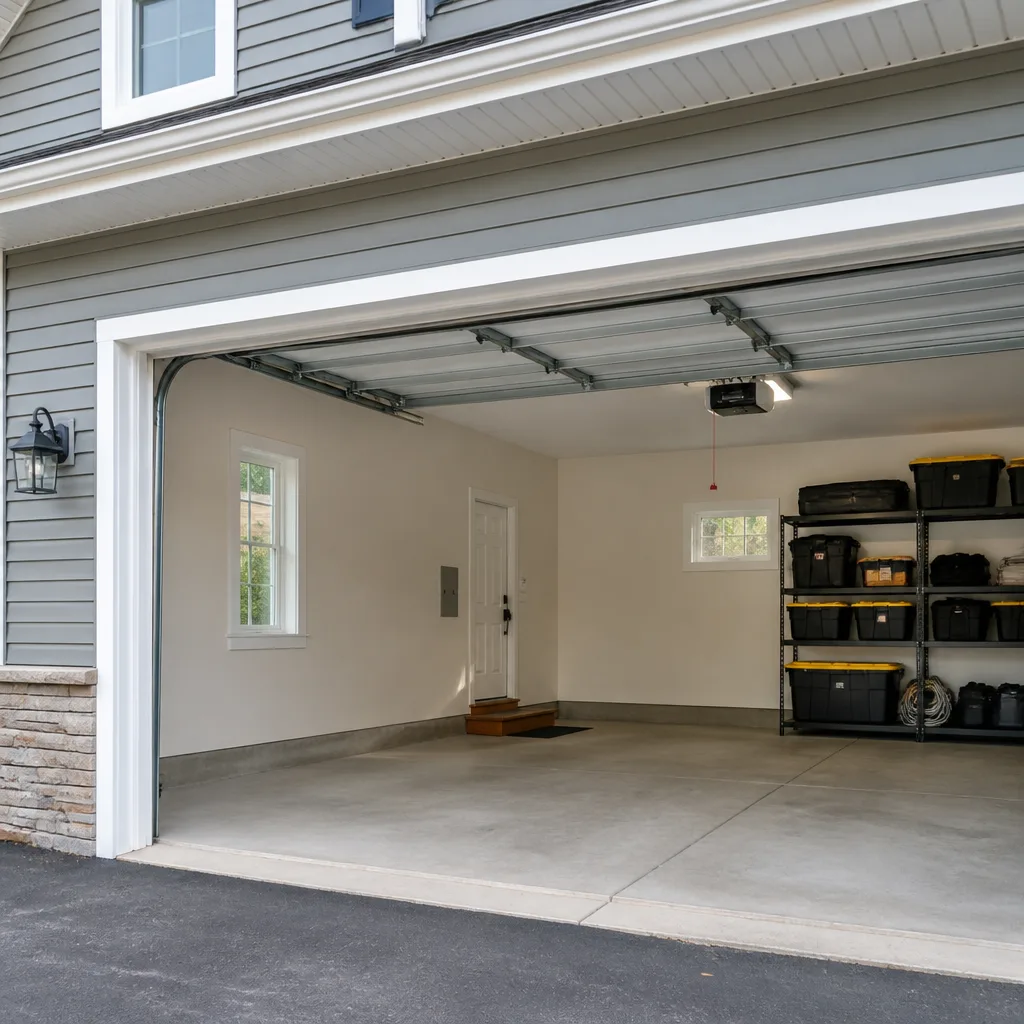 LiftMaster openers
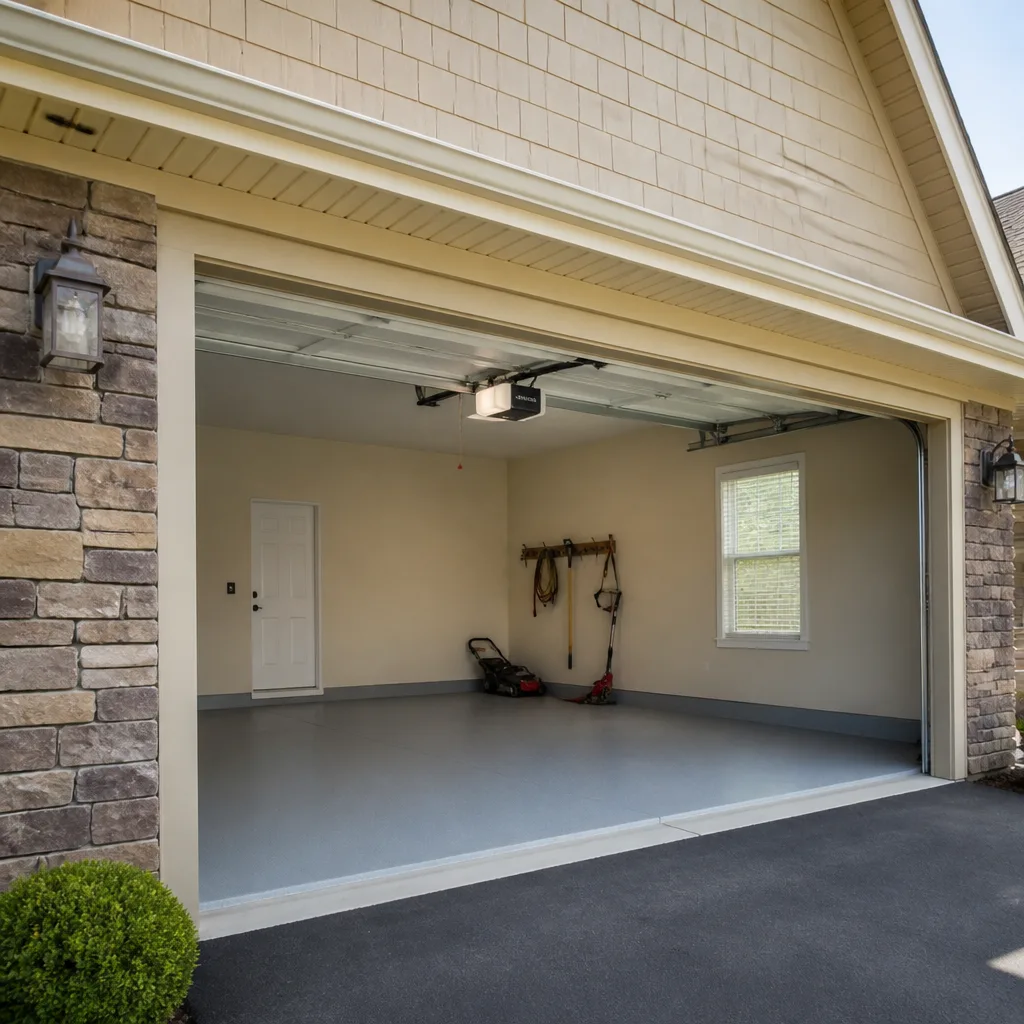 Chamberlain openers
Full 25-point door and opener safety check with every visit - springs, cables, rollers, tracks, and your LiftMaster or Chamberlain opener included
You get a price before we start. It does not change when the pro arrives.
Get your free estimateSeasonal Garage Door Care for Hampton: Year-Round Homeowner’s Guide
Most seasonal garage door checklists are written for places that freeze hard for months. Hampton isn’t one of them. Our winters are mild, our summers are steamy, and the weather that actually wears out a door here comes in sideways sheets of rain and long stretches of damp air, not in ice. That mismatch matters: homeowners skip the prep that would help and do the prep that doesn’t, then wonder why a door that seemed fine in January is sticking in July. In this guide we’ll walk through a care calendar built around Hampton’s real climate, season by season, with the specific tasks that pay off and the ones that don’t.
Styles & brands we work with
- Raised-panel steel
- Carriage house
- Modern flush
- Full-view glass
- LiftMaster openers
- Chamberlain openers
Quick Answer
For a garage door in Hampton, the highest-value maintenance window is fall, not winter. Check and lubricate springs, rollers, hinges and tracks in September and October before temperatures start cycling, then focus on humidity and storm prep through summer and hurricane season. Spring is a post-storm audit, and winter needs only a light check unless a hard freeze is forecast.
Table of Contents
- Why Hampton’s Climate Rewrites the Seasonal Calendar
- Summer: Humidity, Seals, and Opener Electronics
- Hurricane Season Prep: What to Check Before a Named Storm
- Fall: The Highest-Value Maintenance Window in Hampton
- Winter Reality Check: What a Hampton Freeze Actually Does
- Spring Post-Storm Audit: The Five Overlooked Components
- Brand-Familiar Care: LiftMaster, Chamberlain, Genie and More
- Common Mistakes to Avoid
- When to Call a Professional
- Frequently Asked Questions
- The Bottom Line
Why Hampton’s Climate Rewrites the Seasonal Calendar
Hampton gets a lot of rain, and it sits in a hurricane-risk zone. If you’ve read a garage door care guide written for the Midwest or New England, it probably spends most of its pages on freezing temperatures, ice dams on the bottom seal, and snow load. Those conditions show up here, but briefly. The same guide usually treats summer as a low-risk season, which is the opposite of the truth for a door on the Virginia Peninsula.
Here’s what that means in practice. Our long humid summers do more slow damage to a garage door than our short cold snaps do. Fall is when temperatures start moving up and down enough that hardware loosens and a door that tracked fine all summer begins to bind. Spring brings the leftovers of winter wind and rain, plus the first real pollen load of the year in the tracks. The care calendar follows the local weather, not the calendar on a national blog.
A Hampton garage door also lives in a specific kind of building. Many homes here have attached garages, which means the door is part of the thermal and moisture boundary of the house. A bottom seal that’s gone stiff or a panel that’s warped lets humid air straight into the garage, and from there into the rooms next to it. Keeping the door sealed is about the house, not just the door.
If you remember one thing from this section, make it this: in Hampton, you inspect for moisture and wind damage most of the year and for cold damage on a handful of mornings. That’s the whole reorder.
Summer: Humidity, Seals, and Opener Electronics
Summer is the season most guides tell you to skip. In Hampton it’s the season that asks the most of your door. Through the hot months, relative humidity climbs into the 85 to 95 percent range on plenty of days, and that damp air works on three parts of the system at once.
1. The bottom seal swells and stiffens
The rubber or vinyl bottom seal is the first thing moisture touches. Over a long humid summer it can swell, soften, then dry and crack, losing the tight contact that keeps rain and humid air out. Run a hand along the seal on a cool morning. If it feels hard, has visible splits, or leaves a gap you can see daylight through, it’s due for replacement. A seal is one of the least expensive parts on the door and one of the most effective at protecting everything behind it.
2. Wood panels warp and paint fails
Wood garage door panels take on moisture through end grain and any spot where paint has cracked. In a Hampton summer, paint on a south- or west-facing door gets baked and then soaked, which is hard on the finish. Check for bubbling paint, soft spots, and panels that no longer sit flush. A Clopay or Amarr steel door with a good factory finish holds up far better in this climate than bare or poorly sealed wood, which is one reason steel and composite doors are so common here.
3. Opener logic boards collect moisture
An opener mounted on the ceiling of a humid garage lives in a damp environment. Logic boards and their connections can corrode or act up when moisture sits on them, and the symptom often looks like something else: a remote that works sometimes, a door that reverses for no clear reason, or a wall button that needs two presses. If your LiftMaster or Chamberlain opener gets flaky only in the sticky months, moisture on the board or a failing connection is worth ruling out before you replace the unit.
What to do each summer
- Wipe and inspect the bottom seal monthly; replace it if it’s stiff or cracked.
- Touch up paint chips on any wood or steel panel before the next rain.
- Look inside the opener housing for corrosion or insect nests, and check that vents aren’t blocked.
- Keep the garage as dry as you can; a small fan or a dehumidifier in a closed garage helps.
- Test the safety reverse once a month with a small object under the door.
When an opener acts up only in humid weather, our garage door opener repair service is the place to start, and a technician can tell you whether the board, the wiring or the unit itself is the problem.
Hurricane Season Prep: What to Check Before a Named Storm
Hampton is in a hurricane-risk zone, and storm season runs from early summer into late fall. You don’t need to board up a garage door for a routine thunderstorm, but before a named storm reaches the area there are a few checks worth doing, and they take under an hour.
- Test the door’s balance. Disconnect the opener with the release cord, then lift the door about halfway by hand and let go. A balanced door stays where you put it. One that slams down or drifts up is under the wrong spring tension, and a door that isn’t balanced is harder to move by hand if you lose power.
- Learn the emergency release, before you need it. Find the red cord that hangs from the opener rail and make sure it’s reachable and not tangled. That cord is how you get the door open by hand when the power goes out. Confirm every adult in the house knows where it is and how it works.
- Check that the door closes fully and seals. A gap at the bottom lets wind-driven rain straight into the garage. Lower the door and look for daylight underneath, and check that the bottom seal is pliable, not cracked.
- Look at the tracks and the hinges. Loose track brackets and worn hinges rattle and can let the door shift in high wind. Tighten what’s loose, and have a technician look at anything bent.
- Clear the area in front of and behind the door. Anything stored against the door, or standing where it could blow into it, becomes a projectile in a storm. Move it before the weather arrives.
- Confirm the safety reverse works. If the door doesn’t reverse when it meets an obstacle, it needs service before storm season, not after.
One safety note worth repeating: springs and cables are under extreme tension, and adjusting them is one of the most dangerous jobs on a house. If a balance test shows the door is out of adjustment, don’t try to fix the spring tension yourself. That work belongs with a trained technician, and it’s why spring repair is a specialty of ours, not a DIY recommendation.
If a storm leaves you with a door that won’t open, won’t close, or is hanging off its track, that’s a job for our garage door repair service, and emergency garage door service is a dedicated part of what we do.
Fall: The Highest-Value Maintenance Window in Hampton
September and October are the best months of the year to spend an afternoon on your garage door in Hampton. The humidity starts to break, temperatures swing between warm days and cool nights, and that cycling is exactly what loosens hardware and reveals wear. The work you do now carries the door through winter and spring. Wait until December and you’re doing it in worse weather, after the door has already started to complain.
The fall maintenance checklist
- Lubricate the springs, hinges and rollers. A lubricant made for garage doors, not cooking spray or WD-40, on torsion springs, hinge pivots and roller bearings. This quiets a squeaky door and slows wear. Wear gloves, and don’t reach into the spring mechanism.
- Inspect cables for fraying or rust. Cables should be whole and evenly wound. A frayed cable is a warning sign, and if you see one, call a professional rather than handling it. Cables carry the same stored energy as springs.
- Check and tighten hardware. Run a socket or screwdriver over the hinge and bracket bolts. Vibration from a few hundred open and close cycles a year works them loose, and the temperature swings of fall make it worse.
- Look at the rollers. Worn steel rollers get noisy and rough. Nylon or sealed-bearing rollers are smoother and quieter, and a technician can tell you whether yours are due.
- Test the balance by hand. Same test as storm prep: disconnect the opener, lift halfway, and see whether the door holds.
- Test the safety reverse. Put a small object under the closing door and confirm it reverses on contact. Do it once a month regardless of season.
- Clear and check the tracks. Wipe out debris and look for dents or misalignment. Tracks that are bent should be straightened or replaced by a technician, not pried back by hand.
- Seal wood and touch up paint. Fall is the right time to paint a wood door here. Dry, moderate weather gives the finish time to cure before summer humidity returns.
- Clear the gutters and downspouts near the garage. In Hampton’s rain, a downspout that dumps water against the garage foundation is a slow leak into the garage. Move the flow away from the building.
- Change the opener’s battery and test the safety sensors. Fresh batteries in remotes and a quick check that the photo-eye sensors line up and light up will save a call later.
None of this is expensive if you do it as maintenance. Done on a schedule, it’s the difference between a door that tracks quietly for years and one that fails suddenly on a busy morning.
Winter Reality Check: What a Hampton Freeze Actually Does
Hampton gets maybe ten days a year with real freezing temperatures, give or take. That’s a much lighter winter than most seasonal guides assume, and it means some of the cold-weather tasks you’ll read about elsewhere are lower priority here. Here’s what actually matters when it does get cold.
- Seals get stiff. A rubber bottom seal that’s already near the end of its life can harden in a cold snap and stop sealing against the floor, letting cold air and moisture in. If your seal is marginal, replace it before winter instead of after.
- Metal contracts. Cold metal panels and tracks shrink slightly, and a door that was fine in October can bind a little on the coldest mornings. If it does, it’s usually a sign the door needs a balance check, not a new door.
- Lubricant thickens. A door lubricated in fall with the right product will run through a cold snap. A door that hasn’t been lubricated can creak and drag.
- Ice in the tracks happens, but briefly. If you get ice in the tracks, clear it and don’t force the door. Forcing an iced-up door is a common cause of spring and cable damage.
- What you don’t need to worry about: snow load on the door, long-term freezing of the opener, and salt damage. These come up in guides written for climates that aren’t Hampton’s, and they’re not your main concern.
So the winter plan here is short: keep an eye on the bottom seal, don’t force a stiff door, and listen for new noises on the coldest mornings. Save your effort for fall and summer, where it pays off.
Spring Post-Storm Audit: The Five Overlooked Components
By spring, your door has been through a full year of humidity, a fall of temperature cycling, and a winter of wind and rain. Most homeowners notice a problem only when the door stops. A spring audit catches the wear before it becomes a failure. These are the five parts most often found worn or damaged after a Hampton winter, and the ones homeowners most often overlook.
- The bottom seal and weatherstripping. Check the bottom seal and the side and top weatherstripping. Storm-driven rain and the winter’s temperature swings are hard on them, and a worn seal is the most common cause of water in the garage.
- The torsion or extension springs. Springs fatigue over every cycle, and a year of use adds up. Have a technician inspect them for stretch, rust and stress marks. This is not a check to do yourself; a torsion spring under tension can cause serious injury if handled without training and the right tools.
- The cables. Cables fray and rust, and they’re under tension like the springs. If a cable has strands missing or looks rusty, that’s a professional’s job.
- The safety sensors and their wiring. Winter wind and rain can knock a sensor out of alignment or corrode a connection. Test them, and clear any debris from their lenses.
- The hinges and rollers. After a year of use, hinges and rollers wear and loosen. Replacing worn rollers and tightening hinges is a quick, inexpensive fix that prevents bigger problems down the line.
Do this audit every spring, ideally after the last real storm of the season. A door that passes all five checks in the spring is much less likely to fail in the middle of summer, which is exactly when you don’t want to be dealing with it.
Brand-Familiar Care: LiftMaster, Chamberlain, Genie and More
Seasonal care isn’t the same job on every door. We’re factory-familiar with eight of the most widely installed door and opener brands in the country, including LiftMaster, Chamberlain, Genie, Clopay, Amarr, Wayne Dalton, Craftsman and Raynor, and knowing a brand shortcuts the diagnosis. A Chamberlain opener that acts up in humidity has its own set of likely causes. A Clopay or Amarr steel door shows wear in different places than a wood panel door. A Genie opener has different adjustment points from a LiftMaster.
That brand familiarity carries through the whole service. When you need a part, we source the correct one for the make and model, so a repair doesn’t turn into a second visit waiting on a part. When an opener is flaky, we work on the brand you already own rather than pushing a replacement. Smart-home-capable systems like LiftMaster and Chamberlain have their own app and connectivity variables, and if a seasonal humidity problem is really a connection problem, we can sort out which it is.
We handle both the mechanical side, panels, springs, tracks and rollers, and the electronic side, opener units, sensors, remotes and wiring, under one company. If you’re replacing an aging door rather than repairing it, our garage door installation service covers the full job, and a free measure and a written price are the first step, not a same-day promise. Quick note on process: installation is measured, ordered and scheduled, so it’s the one part of garage door work that isn’t the kind of thing that happens on short notice.
Common Mistakes to Avoid
- Prioritizing winter prep and skipping summer humidity. In Hampton, the humid months do more slow damage than the cold ones. A door with a stiff bottom seal and flaking paint needs attention in July, not January.
- Ignoring the bottom seal until it leaks. A worn seal that lets rain-driven water into the garage is a cheap fix if you catch it and a much bigger problem if you don’t. Check it every season.
- Trying to adjust springs yourself. Springs and cables are under extreme tension. A do-it-yourself adjustment of either one is a common cause of serious injury, and it’s exactly the work to leave to a trained technician.
- Lubricating with the wrong product. Cooking spray, thinned oils and WD-40 are not garage door lubricants. They spread dirt and dry out. Use a product made for the job.
- Waiting for the door to fail before a check. A door that’s out of balance or has a worn cable gives warning signs, noises and drift. Catching them on a scheduled check is faster and simpler than waiting for a failure.
- Forgetting the area around the garage. A downspout that dumps water against the garage, or a pile stored against the door, causes damage that has nothing to do with the door’s hardware. In Hampton’s climate, drainage around the garage matters as much as what’s on the door.
- Calling a general handyman for a garage door problem. A garage door is a specialized system with specialized parts and real safety risks. A generalist is likely to be guessing at springs, cables and opener boards. A garage door specialist is not.
When to Call a Professional
Some seasonal care is genuinely do-it-yourself. Wiping out the tracks, replacing a remote battery, touching up paint and checking the safety reverse are all safe for a homeowner. The rest of the list isn’t. Call a professional if the door is out of balance, if a spring or cable shows any wear, if the door comes off its track or hangs strangely, if the opener is flaky or making new noises, if the bottom seal is stiff or torn, or if you’ve been through a storm and aren’t sure the door’s still safe to operate. If you’re not comfortable doing a check yourself, that’s reason enough to call. As a garage door specialist, we see the difference between a door that’s been maintained and one that’s been left to fail, and the maintained one almost always costs less to keep running. Hampton Garage Door Repair Pros offers free estimates in Hampton. Call (833) 842-4783. We answer 24/7. Fast dispatch from 7am to 7pm, Sunday through Friday. The price is quoted and agreed before any work starts, and the written estimate sets the final figure.
Frequently Asked Questions
Once a year at minimum, and fall is the best time in Hampton because the temperature swings reveal wear before winter. If you add monthly checks of the bottom seal and safety reverse, a yearly professional service keeps most doors running smoothly. If the door is older or gets heavy daily use, twice a year is reasonable.
Yes, and more than the cold does over a typical year. Long humid summers swell and stiffen the bottom seal, warp wood panels and can affect opener logic boards. That’s why we put summer humidity care above winter freezing care in the calendar.
You can safely lubricate hinges and rollers, tighten hardware, clean the tracks and check the safety reverse. Leave springs and cables to a professional. They’re under extreme tension and a mistake can cause serious injury.
Test the door’s balance by hand, confirm everyone knows where the emergency release cord is, check that the door closes fully and seals at the bottom, tighten loose track brackets and hinges, clear anything stored against the door, and confirm the safety reverse works. Call a technician if anything looks bent or out of adjustment.
Not heavily. Hampton winters are mild, so the winter checklist is short: check the bottom seal, don’t force a stiff or iced-up door, and listen for new noises on the coldest mornings. Snow-load and long-freeze tasks in northern guides don’t apply here.
Yes. Storm damage that affects the door, tracks, cables, springs or opener is repair work, and emergency garage door service is a dedicated part of what we do. Call (833) 842-4783 for an estimate. We answer 24/7, with fast dispatch from 7am to 7pm, Sunday through Friday, and the price is agreed before any work starts.
The Bottom Line
Hampton’s climate asks for a different calendar than most garage door guides hand you. Summer humidity and storm season do the most slow damage. Fall is the highest-value window for care, with lubrication, tightening and inspection before temperatures swing. Winter is a light check here, not a heavy one. Spring is a post-storm audit of the five parts most likely to fail. Handle the seals, hardware and lubrication on a schedule and leave the springs and cables to a trained technician, and your door will stay quiet, sealed and safe through the year. When you need a hand, Hampton Garage Door Repair Pros is here for repair, opener service, spring work, installation and emergency response.
Call us at (833) 842-4783 for a free estimate. We answer 24/7. Fast dispatch from 7am to 7pm, Sunday through Friday. The price is quoted and agreed before any work starts, and our technicians have up to 12 years of experience with the brands you already own.
Written by the team at Hampton Garage Door Repair Pros.
See the difference
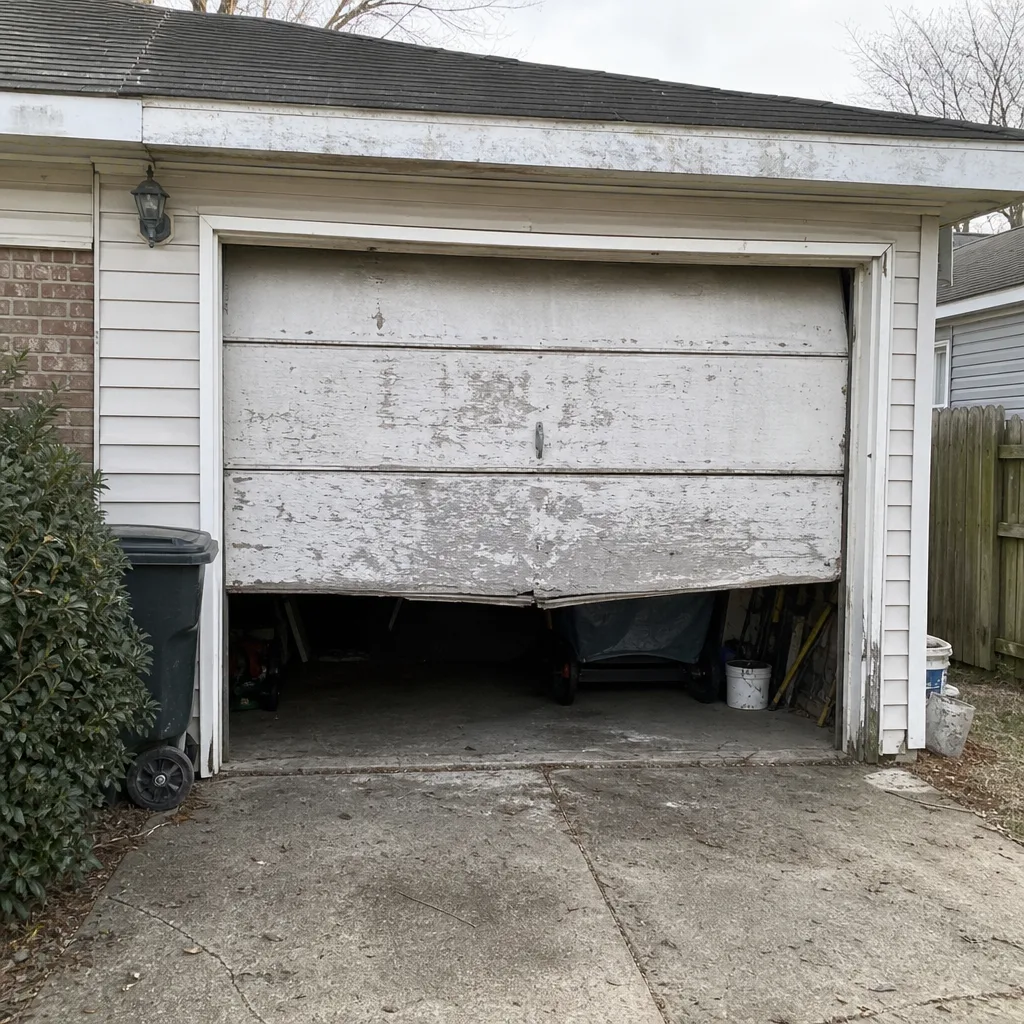 Before
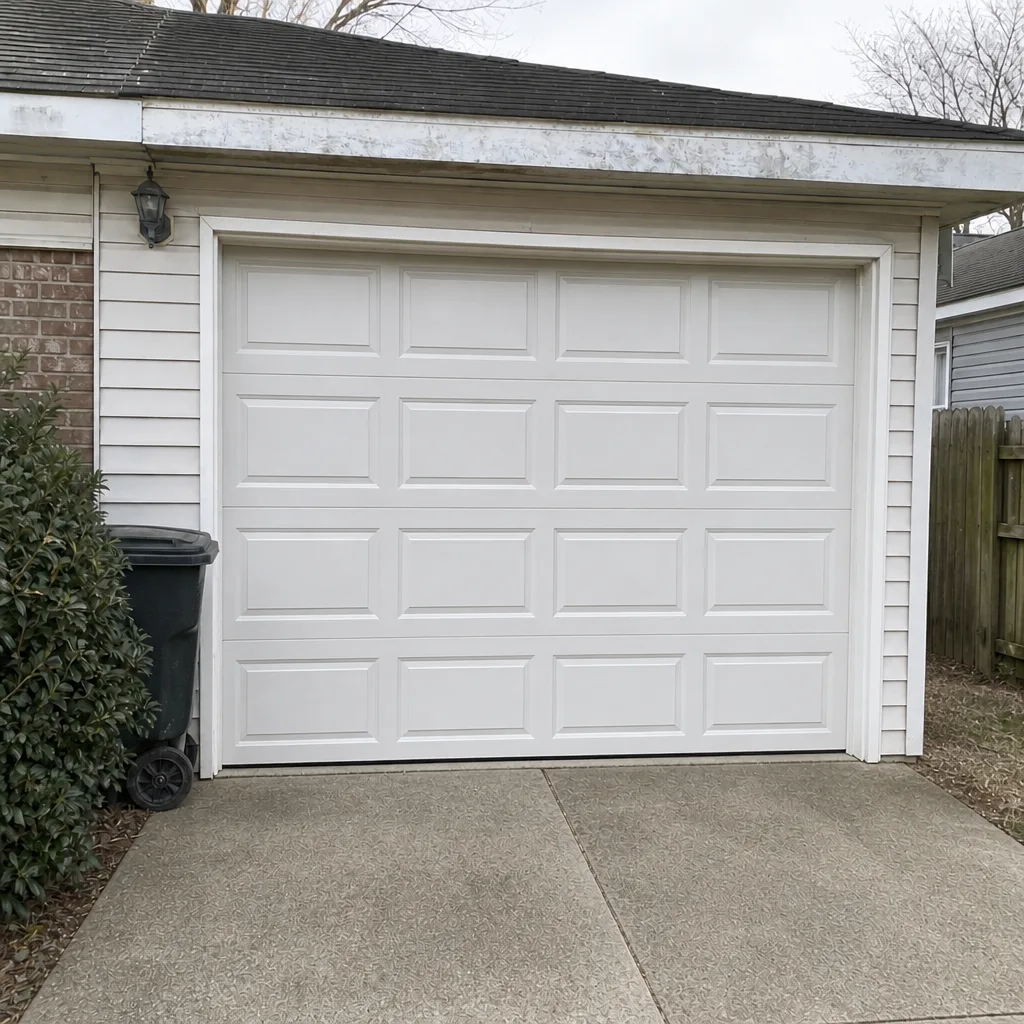 After
 Before
 After
 Before
 After